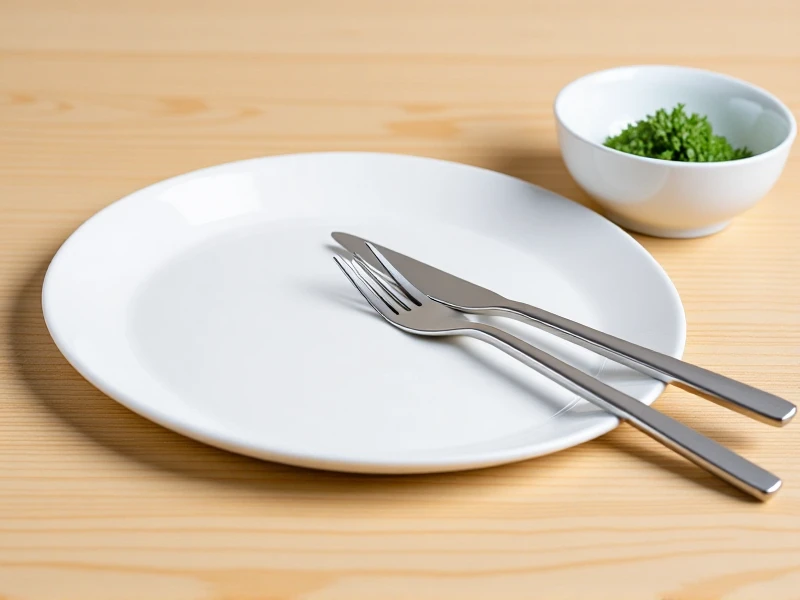
The Essential Guide to Choosing and Using Forks for Every Meal
Forks might seem simple, but they're fundamental to our daily dining experiences. Whether you're enjoying a casual lunch or a fancy dinner party, the right fork can elevate your meal from ordinary to exceptional. As an essential tool in any kitchen or dining set, forks offer versatility and precision that other utensils can't match. In this guide, I'll walk you through everything you need to know about selecting, using, and caring for your forks, helping you create memorable moments at the table.
Let's start with choosing the perfect fork. With various types available, it's key to match your forks to the occasion. For everyday meals, a standard dinner fork with four sturdy tines works well for piercing and scooping most foods like meats, pastas, and vegetables. If you're hosting a formal event, opt for specialized forks like a salad fork—smaller and designed for lighter dishes—or a dessert fork, which is ideal for cakes or pastries. Quality matters too: look for forks made from durable stainless steel, which resists rust and adds a sleek shine. Avoid cheaper materials that bend easily or tarnish; investing in a good set pays off in the long run with better performance and style.
Using your fork correctly involves a bit of finesse to make dining smooth and efficient. Hold it comfortably in your dominant hand, grip the handle gently, and angle the tines downward to stab or lift food. For cutting tougher items like steak, pair the fork with a knife—hold the fork steady as you slice, then switch it to your other hand if needed. This small adjustment makes every bite effortless. In formal settings, etiquette calls for placing the fork to the left of your plate when setting the table, with tines facing up. But don't overthink it; the goal is to enjoy your meal without stress. Remember to teach kids or beginners by starting with soft foods, turning the fork into a fun learning tool. Ultimately, forks enhance safety too, reducing direct hand contact with hot or messy dishes.
Caring for your forks is simple and ensures they last for years. After each use, rinse them under warm water to remove food particles, then clean with mild soap and a soft sponge to prevent scratches. For deep sanitizing, toss them in the dishwasher—just avoid high-heat settings for older or delicate forks to keep them gleaming. Drying them promptly prevents water spots and rust buildup. If you spot minor tarnish, a quick polish with a cloth and vinegar solution restores their brilliance. As a bonus, fork maintenance ties into sustainability; choose eco-friendly brands that source responsibly. Regular care not only extends their lifespan but also keeps your dining setup hygienic and inviting.
To wrap up, forks are more than just tools—they're a blend of function and artistry that transforms how you eat and entertain. Explore different styles to suit your personal taste, like ergonomic handles for comfort or decorative patterns for flair. If you're updating your collection, browse our range at Kitchenware Central for options that marry quality with affordability. So next time you sit down to eat, take a moment to appreciate the fork; it turns every meal into a shared joy. For more tips, follow us on social media or drop a comment—we love hearing from you! As someone who's hosted countless dinners, I can say that the right fork choice makes all the difference in creating warm, inviting gatherings. Stay tuned for our next piece on dining essentials—until then, happy forking!
423